



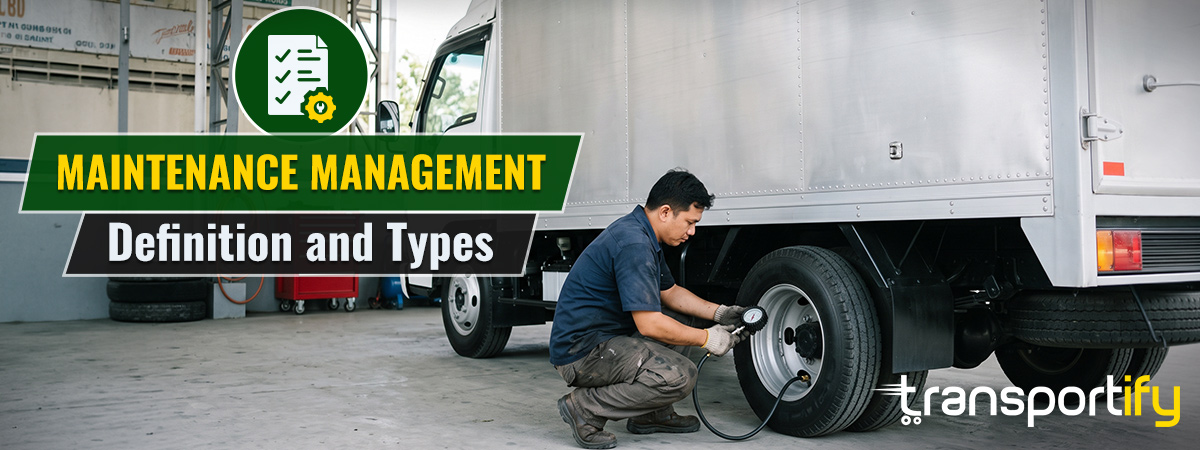
Maintenance management is the organized process of planning, scheduling, and controlling the upkeep of equipment, facilities, and other physical assets. Maintenance management covers core functions such as work order management, asset tracking, spare parts monitoring, and preventive scheduling. The core functions of maintenance management are aimed at keeping operations running smoothly. Businesses choose from several types of maintenance. The types of maintenance range from reactive approaches that address failures after they happen to predictive methods that use data to catch problems early.
The best practices for managing maintenance include routine inspections, documented maintenance schedules, spare parts management, and the use of maintenance management software to automate tracking and reduce unplanned downtime. Philippines businesses that are managing fleets reduce equipment cost and extend asset life by implementing management maintenance best practices.
What is Maintenance Management?
Maintenance management is the process of planning, scheduling, and controlling maintenance activities to keep equipment and assets operating efficiently. Maintenance management focuses on reliability and performance. Maintenance management functions by organizing maintenance tasks systematically rather than handling repairs on an ad hoc basis. Maintenance management’s functions include identifying maintenance needs, allocating resources, executing work orders, and monitoring asset condition over time.
Effective maintenance management reduces equipment failures because problems get addressed through scheduled checks rather than after breakdowns occur. Maintenance management supports business continuity by keeping critical assets such as delivery vehicles, HVAC systems, and machinery available for use when operations need them. Philippine businesses in logistics, manufacturing, and property management rely on maintenance management to control repair costs and extend the service life of the company’s equipment.
Why is Maintenance Management Important for Businesses?
Maintenance management is important for businesses because it helps protect assets and reduce operational disruptions. Maintenance management supports efficient business operations by keeping equipment failures predictable and manageable. Businesses risk sudden equipment failures that halt production or delay deliveries without a structured maintenance approach.
Equipment reliability improves when maintenance tasks follow a consistent schedule. Unexpected breakdowns decrease as a result of consistent maintenance schedules, since technicians can catch early warning signs before full failure happens. Costs can be reduced by maintenance management practices over time because planned repairs are cheaper than emergency fixes. Productivity is improved by proper maintenance management since machines and vehicles spend less time out of service. The cost predictability brought by maintenance management makes measurable differences in year-end performance for Philippine logistics and manufacturing firms operating on tight margins.
Does Maintenance Management Help Reduce Downtime?
Yes, maintenance management helps reduce downtime by identifying and addressing issues before failures occur. Planned maintenance minimizes disruptions because technicians schedule repairs during low-impact periods instead of reacting to sudden equipment stoppages.
Preventive actions reduce breakdowns by catching small issues, such as worn parts or fluid leaks, before they escalate into major failures. Equipment remains available longer as a result of preventive actions. Consistent equipment upkeep slows down the wear that leads to unplanned stoppages. Downtime costs are lowered because fewer emergency repairs mean fewer lost production hours. Operational efficiency improves as maintenance teams shift from firefighting breakdowns to managing planned work.
What are the Main Functions of Maintenance Management?
Maintenance management includes several core functions that work together to keep equipment reliable and operations uninterrupted. Each function plays a distinct role in preventing equipment failure.
- Planning: Organizing maintenance activities by identifying which assets need work, what resources are required, and how tasks should be prioritized.
- Scheduling: Assigning maintenance timelines by allocating specific dates, technicians, and resources to each planned task to ensure that the work does not clash with production needs.
- Inspection: Monitoring equipment condition through routine visual checks, sensor readings, or audits to catch early signs of wear.
- Repair Management: Addressing equipment issues by diagnosing problems, assigning technicians, and tracking work orders from request to completion.
- Record Keeping: Tracking maintenance history by logging inspections, repairs, and parts used for each asset for future reference.
The main functions of maintenance management form a continuous loop rather than a one-time checklist as each maintenance cycle feeds new data back into planning. Businesses that execute the functions of maintenance management consistently see fewer surprise breakdowns and more predictable maintenance costs
How Does Maintenance Control Support Daily Operations?
Maintenance control supports daily operations by monitoring maintenance tasks and equipment performance in real time. Maintenance control helps ensure operational continuity by giving supervisors a clear view of what work is scheduled, in progress, or overdue on any given day.
Work is coordinated efficiently under maintenance control because maintenance control links planning, scheduling, and execution into a single system that supervisors and dispatchers can track. Maintenance control allows supervisors to match technicians to urgent tasks while balancing ongoing schedules. The coordination from maintenance control increases equipment availability, because assets spend less time idling and more time in active use.
Problems are identified earlier when maintenance control actively tracks performance data rather than waiting for scheduled inspections alone. Daily productivity improves as maintenance and operations teams collaborate more closely. Maintenance control reduces the friction that often causes delays during operations for Philippine businesses running tight logistics or manufacturing timelines.
Can Maintenance Control Improve Equipment Performance?
Yes, maintenance control can improve equipment performance through regular monitoring and timely servicing. Maintenance control helps maintain optimal operation by ensuring that deviations in equipment behavior get addressed before they affect output quality or speed.
Equipment condition is tracked using methods such as vibration analysis, temperature monitoring, and other condition-based indicators. Performance issues are addressed quickly once these indicators cross a defined threshold. Reliability improves over time as recurring issues get documented and resolved at their root cause. Asset life may be extended since consistent monitoring reduces the cumulative wear that shortens equipment lifespan.
What are the Different Types of Maintenance Management?
The different types of maintenance management includes reactive, preventive, predictive, condition based, corrective, reliability centered, and total productive maintenance. Each type of maintenance management is suited to different equipment needs and risk levels.
| Maintenance Type | Management Approach | Best Suited For |
|---|---|---|
| Reactive Maintenance | Repairs happen only after equipment breaks down | Low-cost, non-critical assets |
| Preventive Maintenance | Scheduled tasks performed regularly to avoid breakdowns | Assets with predictable wear patterns |
| Predictive Maintenance | Sensor data and analytics forecast failures before any breakdowns | High-value, data-connected equipment |
| Condition Based Maintenance (CBM) | Real-time monitoring triggers maintenance only when conditions warrant it | Assets with measurable performance indicators |
| Corrective Maintenance | Repairs correct identified faults, whether planned or unplanned | Equipment already showing defects |
| Reliability Centered Maintenance (RCM) | Failure analysis determines the most appropriate strategy per asset | Complex systems needing tailored strategies |
| Total Productive Maintenance (TPM) | Involves all employees, especially operators, in ongoing upkeep | Manufacturing plants aiming for zero breakdowns |
Different types of maintenance management carries a different balance of cost, planning effort, and risk. Philippine facilities and fleet operators blend several types rather than relying on just one.
1. Reactive Maintenance (Run-to-Failure)
Reactive maintenance (Run-to-failure) is a strategy where equipment is repaired only after it has already broken down. Reactive maintenance doesn’t follow any preventive schedule.
The run-to-failure approach works best for non-critical equipment where failure carries low costs and does not disrupt operations. Run-to-failure requires minimal planning and lower upfront costs. Risks that are being carried by reactive maintenance include higher emergency repair expenses and unexpected downtime.
2. Preventive Maintenance
Preventive maintenance is a scheduled maintenance strategy where tasks are performed on a regular schedule. Preventive maintenance reduces the likelihood of sudden failures. Technicians address wear and tear before it escalates.
Organizations target an 80/20 split between preventive and reactive maintenance. Majority of resources are dedicated to proactive work while reserving run-to-failure for low-cost, non-critical components.
3. Predictive Maintenance
Predictive maintenance is a proactive strategy that uses sensor data, machine learning, and analytics to forecast when an asset is likely to fail. Predictive maintenance relies on continuously analyzing data to detect developing faults.
The predictive approach allows teams to intervene at the optimal time, because assets don’t need to be repaired unnecessarily. Predictive maintenance is common among Philippine manufacturing plants and fleet operators with high-value assets.
4. Condition Based Maintenance (CBM)
Condition based maintenance (CBM) is a strategy that triggers inspection based on real-time monitoring of the equipment. Conditioned-based maintenance relies on continuous data collection to guide decisions.
CBM helps avoid unnecessary servicing and unexpected failures by acting on the asset’s actual condition. CBM is practical for organizations that want data-driven maintenance.
5. Corrective Maintenance
Corrective maintenance is a maintenance work performed to correct an identified fault in the equipment. Corrective maintenance is performed whether the issue was caught through inspection or after a failure happened.
Corrective maintenance responds to an identified problem rather than waiting for a complete breakdown. Effective corrective maintenance depends on accurate record keeping to refine future maintenance strategies.
6. Reliability Centered Maintenance (RCM)
Reliability Centered Maintenance (RCM) is a method that analyzes potential failures to determine the most appropriate maintenance strategy for each asset. RCM findings help prioritize which machines receive more intensive monitoring.
Organizations that adopt RCM achieve more efficient resource allocation, since maintenance effort is directed toward the failure modes that carry the greatest operational risk.
7. Total Productive Maintenance (TPM)
Total Productive Maintenance (TPM) is an approach that involves the whole company, in the ongoing monitoring of equipment. TPM aims for zero breakdowns by embedding maintenance responsibility into daily operational routines. TPM doesn’t isolate the process only to a dedicated maintenance team.
TPM can work alongside RCM, by using failure analysis findings to shape maintenance plans. TPM responsibility model improves overall equipment effectiveness through ensuring that the equipment is always monitored by an employee.
How does a Maintenance Management System Work?
A maintenance management system works by organizing maintenance activities, scheduling work, and tracking asset performance. The maintenance management system centralizes information into one platform. Maintenance tasks are monitored electronically from the moment a request is submitted. Maintenance records in the management system build a documented history of repairs and inspections.
The maintenance management system improves efficiency through generating automated work orders and reminders. Decision-making becomes easier with maintenance management systems because raw data is translated into actionable information. Management systems identify recurring issues and allocate resources more effectively.
What Features Should a Maintenance Management System Include?
Maintenance management should include a set of core features that work together to keep operations organized and assets reliable.
- Work Order Management: Tracks maintenance tasks from creation and assignment through to completion and closure.
- Scheduling Tools: Plans maintenance activities by setting recurring intervals or triggering tasks based on asset usage.
- Asset Tracking: Monitors equipment history, including past repairs, part replacements, and warranty details.
- Reporting: Generates performance insights through dashboards that track uptime, downtime, and recurring failure trends.
- Inventory Management: Tracks spare parts levels and can automatically flag or reorder items that run low.
The features of a maintenance management system improves coordination of maintenance work. Businesses managing multiple branches or vehicle fleets with limited manpower can use maintenance systems to keep technicians focused on repairs.
How Does a Transport Management System Support Maintenance Planning?
A transport management system (TMS) supports maintenance planning by tracking vehicle usage and scheduling service requirements. A transport management system centralizes data on routes, shipments, and vehicle activity. TMS improves fleet oversight by connecting booking data to the maintenance schedule.
TMS continuously monitors vehicle data such as distance traveled, and fuel consumption for every truck in the fleet. Maintenance needs are identified before they become urgent, since the system flags patterns that suggest irregular performance.
Service planning becomes easier because maintenance tasks can be scheduled around delivery routes without disrupting active operations. Fleet reliability improves for logistics providers where unexpected vehicle downtime can delay shipments and strain customer relationships.
How Can a Trucking Management System Help Track Maintenance Tasks?
Trucking management system helps track maintenance tasks by logging vehicle service history, and monitoring fleet utilization in one connected platform. Maintenance tasks are assigned directly in the system so drivers and technicians receive automatic alerts when a truck approaches its scheduled service. Paperworks can be reduced with a proper maintenance management system by consolidating dispatch records, driver logs, and maintenance schedules into a single dashboard.
Can a Maintenance Management System Automate Work Orders?
Yes, a maintenance management system can automate work orders. Tasks can be generated based on schedules or conditions, such as a fixed time interval or a sensor reading that signals an asset needs attention. Manual administration is reduced because supervisors no longer need to create and assign every work order by hand. Maintenance activities are tracked automatically as the system logs each task’s status from creation to completion. Efficiency improves as teams spend less time on paperwork and more time completing actual repairs. Work completion becomes easier to monitor through dashboards that show which tasks are open, in progress, or closed across the entire asset portfolio.
How is Maintenance Management Used in Operations Management?
Maintenance management is used in operations management by ensuring equipment remains functional and available for daily production and service activities. Maintenance management contributes to operational stability across the entire service chain. Operations managers rely on maintenance data to plan delivery schedules, and set realistic delivery timelines.
Equipment downtime is reduced when maintenance activities are built into the operational calendar. Resources are utilized effectively as a result, since vehicles, and equipment stay available for their intended purpose. Productivity improves because operations proceed on schedule when equipment performs as expected. Operational risks also decrease, since fewer unplanned failures results in fewer delaying incidents tied to malfunctioning machinery.
What Role Does Maintenance Play in Production Efficiency?
The role that maintenance plays in production efficiency is keeping equipment operating reliably. Maintenance ensures fewer disruptions occur during production. Logistics services depend on continuous fleet operation, so any unplanned breakdown directly disrupts the supply chain.
Equipment performance remains stable when maintenance follows a consistent strategy that is matched to the criticality of each vehicle or equipment. Failures are minimized because worn components get addressed before a full breakdown of the vehicle occurs. Output consistency improves since delivery runs proceed without stoppage caused by breakdowns. Production costs decrease, since planned maintenance interventions are cheaper than emergency repairs.
How Does Maintenance Management Improve Truck Fleet Reliability?
Maintenance management improves truck fleet reliability through regular inspections and scheduled servicing. Maintenance management ensures that vehicle condition is monitored continuously to avoid breakdown. Breakdowns occur less frequently when trucks undergo preventive checks. Maintenance schedules are maintained more consistently, which track upcoming service needs before a vehicle is broken.
Fleet availability increases as a result of maintenance management, since fewer trucks sit idle. The decrease in service interruptions matters for Philippine fleet operators navigating long-haul routes or dense urban deliveries where a breakdown can delay an entire day’s schedule.
Why Do 3PL Providers Need Strong Maintenance Management Processes?
3PL providers need strong maintenance processes to maintain reliable transportation and logistics operations. Equipment failures can disrupt service across multiple client accounts at once. Third-party logistics companies manage transportation and fulfillment on behalf of other businesses, which means their equipment reliability directly affects someone else’s supply chain.
Vehicle availability is critical for 3PL providers because delivery commitments depend on trucks being road-ready when scheduled. Operational efficiency depends on reliability across the fleet. Customer service improves when the 3PL Management System keeps vehicles running on schedule. The reduction of logistics disruptions protect the reputation of 3PL provinces in a competitive Philippine market where shippers can easily switch providers after repeated service failures.
Does Effective Maintenance Improve Operational Reliability?
Yes, effective maintenance improves operational reliability by reducing equipment failures and downtime. Effective maintenance makes assets remain operational longer. Maintenance supports consistency by keeping the performance of vehicles and equipment steady. Unexpected disruptions decrease as maintenance teams catch and resolve issues during scheduled checks. Reliability becomes more predictable over time because maintenance data accumulates into patterns that help teams anticipate future service needs.
What are the Benefits and Challenges of Maintenance Management?
The benefits and challenges of maintenance management are the trade-offs a business weighs when deciding what approach to use to keep its assets reliable versus and how much risk the business accepts by deferring maintenance. The benefits and challenges of maintenance management shape which strategy a business adopts for its equipment and assets.
- Reliability: Improves equipment performance by reducing the frequency of unexpected failures through consistent monitoring and servicing.
- Cost Savings: Reduces major repair expenses since planned interventions are cheaper than emergency fixes and the associated production losses.
- Downtime Reduction: Limits disruptions by catching wear and potential failures before they halt operations.
- Resource Requirements: Allocates resources and staffing to run effective and proper maintenance.
- Data Management: Requires accurate records to track equipment history and refine maintenance schedules over time.
Maintenance management delivers operational gains, but those require investment in staffing and data discipline to sustain the benefits.
What Benefits Can Strategic Maintenance Management Deliver?
Strategic maintenance management can deliver overall business benefits by aligning servicing decisions directly with broader business goals.
-
- Higher Reliability: Improved equipment performance results from consistent servicing that keeps assets operating
- Lower Costs: Reduced unexpected repairs follow when small issues get addressed before they escalate into major failures.
- Longer Asset Life: Equipment lasts longer when wear and tear is managed proactively.
- Improved Safety: Risks are reduced as well-maintained equipment is less likely to cause accidents from unexpected malfunctions.
- Better Productivity: Operation productivity is consistently good if equipment is working and available.
A strategic maintenance approach compounds these benefits over time.Reliability gains and cost savings reinforce each other as a maintenance program matures.
Are There Limitations to Every Maintenance Strategy?
Yes, every maintenance strategy has limitations. A maintenance strategy cannot fit all situations. As an example, preventive maintenance involves scheduled downtime and can lead to unnecessary servicing of equipment that did not yet need attention. Costs and resources vary across strategies because predictive and reliability centered strategies require more upfront investment in monitoring technology and skilled staff than simpler reactive approaches. Equipment needs also differ since critical assets often justify a more robust strategy. Low-cost and non-critical components may still work under a run-to-failure approach.
What are the Best Practices for Managing Maintenance?
Maintenance management should include a set of best practices that keep equipment reliable while controlling costs over the long term. The best practices for managing maintenance span inspection routines, data tracking, staff training, and technology adoption with each addressing a different point of failure in a maintenance program.
- Schedule Regular Inspections: Identify issues early by conducting routine checks before assets show signs of failure.
- Track Maintenance Data: Improve oversight by logging repairs, costs, and part usage for every asset over time.
- Train Staff: Ensure proper procedures by keeping technicians updated on current maintenance standards and equipment-specific requirements.
- Use Maintenance Software: Improve efficiency by centralizing work orders, schedules, and asset records in one system.
- Review Performance: Monitor results regularly by comparing maintenance KPIs against targets to catch declining trends.
Organizations that apply the best practices for managing maintenance consistently shift from reactive responses toward a more predictable, cost-controlled maintenance program.
What Maintenance Practices Help Improve Logistics Performance?
Maintenance practices that help improve logistics performance focus on keeping delivery fleets road-ready and on schedule. Good maintenance practices catch small problems early, before they turn into causes for total asset failure. Good tips for effective business logistics management adapt general maintenance principles to the demands of a moving fleet, where breakdowns directly affect delivery commitments.
- Preventive Maintenance: Reduces breakdowns by servicing vehicles on a set schedule before problems develop.
- Vehicle Inspections: Improves reliability by checking fluid levels, brakes, tires, and other critical components before each trip.
- Fleet Monitoring: Tracks asset condition through GPS and telematics systems that flag irregular vehicle performance in real time.
- Repair Scheduling: Minimizes disruptions by planning service around delivery routes.
- Maintenance Reporting: Supports planning by documenting service history, which helps fleet managers forecast future repair needs and budgets.
Combining good maintenance practices keeps a fleet road-ready more consistently. Good maintenance practices matter most in the Philippine market where traffic congestion puts pressure on every route.
How Can Maintenance Data Improve Decision Making?
Maintenance data improves decision making by providing information on equipment condition, costs, and performance trends. Maintenance data supports informed planning across the organization. Managers can point to documented evidence when deciding where to allocate maintenance budgets or personnel.
Data reveals recurring issues through repair logs and point to the root cause of the issue. Performance can be measured through key performance indicators (KPI) such as Mean Time Between Failures (MTBF) and Mean Time to Repair (MTTR), which track how maintenance effectiveness changes over time. Decisions become more accurate as managers rely on documented trends when choosing which assets to prioritize. Resources are allocated effectively because maintenance budgets can shift toward the equipment generating the highest repair costs or downtime.
Should Maintenance Plans Be Reviewed Regularly?
Yes, maintenance plans should be reviewed regularly to ensure they remain effective and relevant. Operational needs can change over time as equipment ages, or new assets get added to the fleet. Plans built around last year’s equipment usage or business priorities may no longer match current demands. Performance data supports reviews by revealing whether current maintenance practices and metrics still align with business goals. Maintenance priorities may shift as equipment ages, new assets are added, or business operations expand into new routes or facilities. Plans left unchanged for years tend to drift away from real operating conditions, hence reinforcing the importance of regular review of maintenance procedures.







 Chat